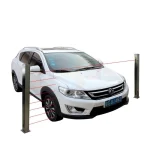
Optimize traffic flow and enhance parking efficiency with our durable vehicle separators. Perfect for defining lanes, protecting pedestrians, and maximizing parking space utilization. Choose from a range of materials and sizes for effective traffic management in parking lots, construction zones, and roadways. Browse our selection for reliable solutions to control vehicle movement and improve safety.
Optimize traffic flow and enhance parking efficiency with our durable vehicle separators. Perfect for defining lanes, protecting pedestrians, and maximizing parking space utilization. Choose from a range of materials and sizes for effective traffic management in parking lots, construction zones, and roadways. Browse our selection for reliable solutions to control vehicle movement and improve safety.
Recently Viewed Products
Vehicle separators are critical components in modern traffic management, designed to efficiently divide lanes, manage traffic flow, and enhance safety in various environments. From highways and parking lots to toll plazas and construction zones, these physical barriers provide clear delineation and prevent vehicles from encroaching into restricted areas.
The applications of vehicle separators are diverse and widespread. On highways, they prevent median crossovers and reduce the risk of head-on collisions, contributing significantly to road safety. In parking facilities, they guide vehicles into designated parking spaces, maximizing space utilization and minimizing vehicle damage. At toll plazas, separators streamline the toll collection process, reducing congestion and improving throughput. Construction sites utilize them to create safe work zones, protecting workers and guiding traffic safely around the construction area. Beyond safety and efficiency, vehicle separators also contribute to noise reduction and visual appeal, offering a cost-effective and adaptable solution for traffic management.
Vehicle separators are available in various designs and materials to suit specific needs and environmental conditions. Common materials include durable plastics (such as polyethylene), recycled rubber, and concrete. Plastic separators are lightweight, easy to install, and resistant to impact and weathering. Rubber separators offer excellent impact absorption and are often used in areas with high traffic volume. Concrete separators provide superior strength and stability, making them suitable for high-speed traffic environments. Within these material categories, there are numerous designs, including lane dividers, channelizing devices, and curb separators, each offering unique functionalities and installation methods. Selecting the appropriate type of vehicle separator depends on factors such as traffic volume, vehicle speed, environmental conditions, and budget.
Investing in high-quality vehicle separators is essential for creating safer and more efficient transportation infrastructure. By clearly defining traffic lanes, preventing unauthorized vehicle movement, and enhancing overall road safety, vehicle separators contribute significantly to reducing accidents, minimizing congestion, and improving the overall driving experience.